Category: Personal Injury

  • Criminal Injuries Compensation Explained

    Criminal Injuries Compensation Explained

    In this article Shalish Mehta from our Litigation Team offers criminal injuries compensation advice and explains how the law applies in different situations.


    The government introduced a new version of the CICA scheme on 27th November 2012 which has resulted in a tightening of eligibility for compensation. These changes to the scheme have meant that certain injuries are no longer classed as being serious enough to warrant a claim through the CICA.

    UK Residency

    Compensation will only be awarded to claimants who have legally resided in the UK for at least six months before the time of the alleged incident. All nationals of the EU and EEA Member States and their families in the UK will be exempt from this rule.

    Reporting A Crime

    The new Scheme requires an offence to be reported to the police ‘as soon as reasonably practicable.’

    Drugs And Alcohol

    Drug and alcohol use will now only be a ground for reducing or withholding an award where it has contributed to the injury or its effects. Payments will no longer be withheld or reduced simply because alcohol or drugs increased an applicant’s vulnerability to attack. This will benefit rape victims as it won’t matter if they were on alcohol or drugs at the time of the offence.

    Previous Convictions

    Applicants with any unspent convictions will now be excluded from claiming under the Scheme – significantly decreasing the number of applicants qualifying for compensation.

    However, in very limited circumstances it may be possible still to receive an award under the Scheme. This award would ultimately suffer a reduction under the Scheme dependent on the severity of the offence and punishment (sentence) given by the courts.

    Physical Injuries

    Examples of physical injuries no longer included in the scheme include bruising, black eyes, minor scarring, broken noses, broken/ loose teeth, broken ribs etc.

    Some injuries are still available for an award under the scheme however in some cases must be shown to have caused a “continuing significant disability”. This includes injuries such as fractured fingers, a broken hand, ligament damage, dislocated shoulder/ knee, fractured toes (except the great toe) etc.

    Psychological Injuries

    Awards for psychological injuries can still be considered however treatment from a GP alone is no longer sufficient for a claim. Under the new scheme there must now be a psychiatric diagnosis of a psychological condition for an award to be considered.

    Sexual Assault/ Abuse

    Awards for incidents involving sexual assault or abuse have not been altered under the changes to the new CICA scheme.

    Fatal Injuries

    As with awards for sexual assault or abuse, no changes have been made to the levels of award available in circumstances where there is a fatal injury.

    Loss of Earnings

    An award for Loss of Earnings will only be considered if you are unable to work as a direct result of your injuries for a minimum of 28 weeks or more.

    In addition you must have:

    1. been in paid work on the date of an incident
    2. have been in regular paid work for three years immediately before the date of an incident or;
    3. have good reason for not being in paid work for the three years prior to an incident

    Time Limits

    The general two year time limit to make an application from the date of an incident still applies under the new scheme.

    In some cases (e.g. involving historical abuse) where a matter has been reported some time later by an individual as an adult, the CICA can consider waiving the time limit. Often the two year time limit would then apply from the date the matter is first reported to the police. The reasons for the delay in reporting to the police are also usually taken into account.

    In cases involving children the two year time limit would apply from the date a child reaches the age of 18.

    If you would like further advice on criminal injury compensation then you can contact Shalish by phone on 0161 785 3534 or by email at sm@wrigleyclaydon.com
  • Man’s best friend? Dog bite injuries and what to do next….

    Man’s best friend? Dog bite injuries and what to do next….

    A police officer recently received an out of court payment of £500 when he was bitten on the behind by a police dog. Subsequently, another police officer successfully made a claim and received an out of court settlement of £1,200 after also being bitten by a police dog.

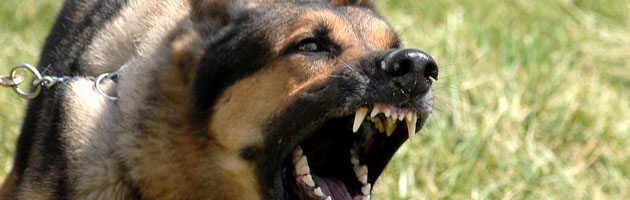
    It is not fully known how many people per year suffer injuries caused by dogs, as many do not think to report it. However it is estimated to be significant, with the most vulnerable group being children, particularly those under the age of nine. Injuries can be severe, especially if wounds become infected, and can also lead to psychological trauma. Injuries can occur as a result of your job, as with the police officers mentioned above, or simply due to an unfortunate interaction with a dog belonging to a stranger, neighbour or acquaintance.

    There are ways to try and avoid dog attacks. Some people say that if you encounter an aggressive dog, standing still with your hands by your sides and avoiding eye contact may help. Running away will most likely encourage the dog to chase you and is therefore warned against by animal experts. However, if the attack is inevitable, it is important to know what to do next. You should always take immediate medical advice, but some Medical professionals suggest washing the wound under running water is the first step, removing anything from the wound (such as hair or dirt) as quickly and delicately as possible. No matter how small the bite, it is crucial to seek medical attention as any dog bite has a risk of becoming infected. Your doctor can examine the wound and decide if a tetanus injection or antibiotics are needed.

    Maintaining records of your hospital visit can come in useful if you wish to make a compensation claim. You may also wish to call the police which will mean your attack is on record, and could prevent anyone else getting injured. If your accident happens at work, report the accident to your superior, otherwise try and find out who the dog belongs to, if the owner has pet insurance, or if any other attacks have occurred in the past. Your solicitor can use all of this information to help your claim.

    While dog bite compensation cases are less straightforward than other personal injury claims, ultimately dog bites are still avoidable injuries and victims are well within their right to compensation. Dog related injuries can at best be painful or prevent victims from working, causing financial constraints, and at worst cause fatalities or loss of limbs.

    Whether your injury occurred at work or home, contact Wrigley Claydon today. Our experienced personal injury team can guide you through the process step by step, and help you get the compensation you deserve. Send us a message through our ‘Claim now’ form, or call us on 0161 785 3534.
  • Did Your Insurance Company Sell Your Claim?

    Did Your Insurance Company Sell Your Claim?

    Recent figures posted by a major insurance company indicated that in 2012 they received £21 million from solicitors. This money, it has been reported, was in exchange for giving those solicitors accident claims. This means that you might have paid your insurance premium but if you then had a car accident, your insurance company could have sold your claim to a firm of solicitors and received a payment in return.

    As a result of government intervention, such referral fees are now banned and consequently the figures posted by this major insurance company for 2013 were only £6 million from the sale of such cases.

    If you have been the unfortunate victim of an accident, it is important to make sure you choose your own solicitor based on reputation and experience rather than allowing an insurance company to sell your case. A relationship with a solicitor is reliant on trust and communication, so searching around and contacting a solicitor personally is sure to produce better results for you and your case. Regardless of what your insurance company tells you, be aware that you are able to choose any solicitor you wish to pursue your claim.

    At Wrigley Claydon, we recruit people who are experts in their field and care about their work. We’ve had a continuous presence as a law firm in Oldham since the practice was established in 1795 by Henry Barlow. Sixty years later, our now namesake Henry Wrigley joined the firm and we have gone from strength to strength, over two centuries, playing an important part in the local community.

    Learn more about our friendly and approachable team. If you require a dedicated and experienced solicitor, please don’t hesitate to contact us on 0161 624 6811 or through our contact page.
  • Sir John Major’s Dream Comes True

    Sir John Major’s Dream Comes True

    When former Prime Minister John Major came to power, he spoke of his vision for a society that was more at ease with itself.

    At roughly the same time, a man was standing at a bar ordering a drink. Having paid for his drink, he picked it up, turned around and was then punched in the face, falling to the ground. When he challenged the person who had punched him, that person broke a glass and attacked him further causing painful lacerations, bleeding and a permanent scar. The two people were unknown to each other and neither had provoked the other.

    Injuries such as these can cause significant pain, as well as potentially taking their toll on your financial circumstances due to an inability to work properly or expensive medical treatment. In addition, the pain and trauma of the incident can cause mental or emotional distress which may affect the victim, and their loved ones, for some time. At Wrigley Claydon, we brought a successful criminal injuries claim against the attacker, compensating the victim for the injuries he had sustained as a result of this violent crime.

    However, there’s light at the end of the tunnel. Recently, statistics from the Accident and Emergency Departments across the country reveal that since 2002 the number of casualties seen in relation to violent crimes has reduced year on year, and last year reduced by 12%.

    It would appear that John Major’s dream of a society that is more at ease with itself is becoming a reality!

    If you have been the victim of a crime of violence and have suffered injury please contact Wrigley Claydon today. Our team of professionals have a wealth of experience in criminal injury claims, as you can see from our list of success stories. To get in touch, complete the online claim form, telephone 0161 624 6811 or e-mail sm@wrigleyclaydon.com.
  • How to make a clinical negligence claim

    How to make a clinical negligence claim

    We trust our doctors and dentists to keep us safe and well – however, mistakes happen, which can sometimes lead to painful consequences. Trusting someone with your health or dental care, only to suffer personal injury through misdiagnosis or inadequate work, can cause both physical and emotional distress. You may also have to take time off work or pay for expensive corrective procedures, which can cause additional financial problems. Making a clinical negligence claim to get the compensation you deserve may seem daunting, but could help you get back on your feet, and should always be considered in order to prevent further problems in the future.

    Clinical or dental negligence claims can be separated into two categories – active and passive negligence. Active negligence refers to an action made which was inadequate or poorly executed. Examples include:

    • Damage caused during teeth extraction
    • Problems created during surgery
    • Or procedures carried out which are not suitable for the patient, for example if the patient has a problematic pre-existing condition

    Passive negligence, on the other hand, is used to describe personal injury caused by a lack of action, for example:

    • A doctor or dentist failing to inform the patient of all the options available
    • A doctor or dentist failing to carry out an assessment to ensure a procedure is suitable for a patient
    • Failure to provide necessary care after a procedure
    • Or a failure to notice a problem which could have been lessened if caught sooner

    So, what’s the best route to take if you’re thinking of making a clinical or dental negligence claim? The first step is always to contact a solicitor with experience in clinical and dental personal injury cases. Due to the complexity of these cases, it’s important to ensure you find a solicitor who can tackle your claim with confidence.

    Wrigley Claydon are a team of quality personal injury solicitors with experience in both clinical and dental negligence cases – to discuss yours, call us on 0161 624 6811 or send us a message using our enquiry form.
  • Claiming for personal injury abroad

    Claiming for personal injury abroad

    It’s the time of year when people across the country begin looking forward to summer and booking trips abroad. However, for some, the enjoyment is cut short due to personal injury. Accidents can happen anywhere – you wouldn’t accept it at home and you don’t have to accept it abroad.

    If you have suffered personal injury abroad you could entitled to compensation for loss of enjoyment, out of pocket expenses (such as medical or transport costs) or even loss of earnings if your injury is severe enough to affect your ability to work. But in what circumstances are you eligible to claim?

    A United Kingdom personal injury solicitor will usually only deal with a claim against another UK-based company. As a result, claims are usually against the package holiday company or travel agent. This covers circumstances such as accidents on hotel grounds, food poisoning at hotel restaurants or accidents caused in public spaces on excursions organised by the travel company. There are also certain grey areas which may be considered more difficult cases such as organised water sports, accidents on public transport or accidents on holiday which weren’t booked through an agent. However, it is always advised to contact a personal injury solicitor for a consultation in these circumstances, as injury can have a serious emotional and financial impact on the victim and their family, which shouldn’t be taken lightly.

    While your thoughts may be elsewhere after suffering a painful accident, there are several procedures that you can complete following an injury which will ensure maximum success during your case. It is recommended that you report your accident to your travel representative at the time, rather than waiting until you return home. It is also essential to record your injury in the appropriate accident book or log so there is a permanent record of the date, time and details of the incident. Taking names and addresses of witnesses can also help, along with photos of the environment or cause of the incident. Retaining any documentation from the hospital including receipts is also useful.

    Personal injury can happen anywhere and the fact that an accident has happened abroad rather than at home is no reason to ignore it. If an injury has affected your enjoyment of the trip you have paid for, cost you money or made you take time off work, you could have grounds for a claim and deserve to be recompensed for your time or costs wasted.

    At Wrigley Claydon, our team of personal injury solicitors can assess the problem and fight for the justice you deserve, as well as hopefully ensuring that any hazards are rectified, reducing the risk of injury in the future. Contact us today on 0161 624 6811 or send us an email on info@wrigleyclaydon.com.
  • Your rights as a pedestrian

    Your rights as a pedestrian

    In a recent case, our client, a pedestrian, was crushed between two moving vehicles. This caused serious damage to both knees – an incredibly painful and debilitating injury.

    We successfully recovered £75,000 for our client.

    We often take both public and personal transport so much for granted that we forget the severe accidents that can occur when people don’t pay attention on the roads. The injuries that occur when drivers do not fulfil their ‘duty of care’ to those on foot can be incredibly serious and sometimes life-threatening. Approximately 30,000 pedestrians are injured per year due to a collision with a driver – of which our client was one.  The injuries they sustained due to a collision with two vehicles were not only exceptionally painful, but also placed a great strain on their lifestyle. Sustaining serious injuries to both knees prevented our client from working to their full capacity and the time it took to heal caused great emotional distress.

    While there are many things that you as a pedestrian can do to prevent injuries such as these – for example staying on the pavement, wearing reflective clothing when walking at night and ensuring you are fully alert when crossing the road – the responsibility ultimately lies with the driver. Operating a dangerous and heavy vehicle, drivers must always be on red alert, and have a duty to prevent any unnecessary injury to those not on the roads. Accidents can be caused by driving too fast, driving while intoxicated, distracted driving or irresponsible driving. In these situations, a collision with a pedestrian is no fault of the person on foot.

    Despite its severity, in many ways a road accident compensation claim is no different to any other personal injury claim. As a pedestrian, there are several things that you can do to ensure your case has the maximum success. Taking names and addresses of witnesses, taking photographs of the injury or scene of the accident, and retaining receipts from any drugs or medical treatment can all help your case. However, the best thing that you can do is hire an experienced and trusted personal injury lawyer.

    If you have been injured on the road as a pedestrian, get in touch with Wrigley Claydon today. Call us on 161 785 3534 or use our contact form and we can review your case.
  • Wrigley Claydon tackles personal injury at work

    Wrigley Claydon tackles personal injury at work


    Our client was working for a building company on site. Failing to recognise the vital importance of health and safety on a building site, their co-workers did not organise the site as they had been instructed to do by the company, creating a hazardous environment. A piece of building material was left in the way, and our client tripped and fell, causing painful back injuries.

    We successfully recovered £61,000 for our client.

    Making a claim against your employer may seem nerve-wracking. Many fear losing their job or ruining a working relationship. However in a case like this one, the injury was incredibly severe and our client deserved compensation. Injury to the back makes it very difficult to work, especially in the building trade. This can take its toll both on the injured person’s finances and their personal life.

    Ensuring that employees are safe in their working environment is essential in all industries, however on a job where dangerous tools, heavy materials and unstable structures are present, health and safety protocol needs to be followed to the letter. In a case such as this one, where workers did not follow instructions precisely, it can create unnecessary dangers with very unpleasant outcomes.

    As a building or construction site worker, you have certain rights regarding health and safety, and employers have a responsibility to ensure that the site is as safe as possible. This involves carrying out risk assessments, consistently maintaining structures such as scaffolds or hoists and keeping the workplace in a safe and tidy condition.

    If you have suffered a personal injury at work due to the negligence or unsafe actions of others, be sure to contact Wrigley Claydon. Our team of personal injury solicitors can assess the problem – making sure that not only are you compensated for any physical or financial damage caused by the accident, but that any hazards are rectified, creating a safer working environment for others and hopefully preventing any further injuries.

    Contact us today with any queries on 0161 785 3534 or use our contact form and we can review the details of your case.
  • Coughs and colds can have a similar effect on driving as booze!

    Coughs and colds can have a similar effect on driving as booze!

    A recent survey has shown that the symptoms associated with a cough and cold can reduce your level of alertness to a similar level as if you had consumed 4 pints of beer or lager. The survey indicates that coughs and colds can have a similar effect on our driving.

    Nevertheless needs must and it’s not unusual for us to jump in the car and drive in order to do our daily tasks.

    However pause for a moment; if you have consumed 4 pints of beer, would you be so casual in jumping into your car and driving? Probably not as we all know that not only will you most likely be over the legal limit but the consumption of alcohol dulls our senses and makes us less competent drivers.

    Our specialist litigation and personal injury solicitor, Vijay Srivastava comments, “During this season of coughs and colds it is likely that on some days you will feel less than 100%. The blocked nose, fuzzy head, aching bones, bleary eyes and blocked ears makes one feel very sorry for oneself.

    It is all a question of reaction time. Accidents can be avoided if our eyes, brain, hands and feet can all act rapidly so as to avoid us driving into that child, cyclist or car. The slower our reaction times the more likely we are regrettably to collide with one of those people or objects.”

    The next time we suffer with a cold and cough and feel sorry for ourselves, spare a thought for others and consider whether our reaction times have been reduced.

    Our personal injury team would be happy to offer you advice on any accident you have been involved in or injury you may have suffered. Please call 0161 624 6811 to start with and then we can either arrange a face-to-face meeting to discuss the incident in more detail or we offer consultations via Skype.
  • Wrigley Claydon’s latest successful occupier’s liability case

    Wrigley Claydon’s latest successful occupier’s liability case

    In this recent case, our client was walking down some outdoor stairs which were not structurally sound. When one of the flagstones which made up the steps moved, our client lost their footing and sustained a painful injury to the foot and ankle.

    We successfully recovered £14,100 for our client.

    When you suffer from a painful fall, it is important to question who is really at fault. In this case, the defendant had not properly maintained their outdoor stairs, which was therefore a health and safety hazard for anyone who used them. Our client’s injury was of no fault of their own and while it would have been easy to put it down to clumsiness and forget all about it, landowners have a responsibility to ensure their property is as safe for everyone as possible.

    Personal injury does not only affect the injured party. Someone who has suffered an injury may not be able to work, making paying bills and rent difficult, and possibly putting strain on the family. As well as financial difficulties, injury can  be an emotional struggle for the victim and their family, especially when it comes to more severe injuries, such as damage to the spine or head.

    Accidents happen, but in case like this one, it didn’t have to. Occupier’s liability covers a wide range of avoidable injury, and hazards on land or property belonging to homeowners, tenants, shopkeepers, hotel owners and farmers all fall under this category. If somebody is inviting you into their building or onto their land, it is their responsibility to remove or clearly signpost any possible risks.

    Whether your injury is big or small, if you think that you have grounds to make an occupier’s liability claim following an accident that could have been avoided, get in touch with Wrigley Claydon today. Call us on 0161 785 3534 or use our contact form and we can review the details of your case.