Category: Personal Injury

  • Workplace hazards advice from your personal injury solicitor

    Workplace hazards advice from your personal injury solicitor

    Your employer has a duty to protect you and maintain safe conditions for you in the work place and prevent any workplace hazards. If you have an accident at work and feel that it wasn’t your fault then pursuing a claim for compensation might be the right thing to do.

    Unlike with most personal injury claims, this can feel like you are claiming against someone you actually know; your boss. Instead, you are are claiming against the company, not personally against your boss and it’s for this reason that you shouldn’t be put off making a claim. In actual fact it’s one of the main reasons to make a claim.

    There are four main types of workplace hazards:

    • Physical hazards are the most common hazards and are present in most workplaces at some time. Examples include: frayed electrical cords, unguarded machinery, exposed moving parts, constant loud noise, vibrations, working from ladders, scaffolding or heights, spills and tripping hazards.
    • Ergonomic hazards occur when the type of work you do, your body position and/or your working conditions put a strain on your body. They are difficult to identify because you don’t immediately recognise the harm they are doing to your health. Examples include: poor lighting, improperly adjusted workstations and chairs, frequent lifting, repetitive or awkward movements.
    • Chemical hazards are present when you are exposed to any chemical preparation (solid, liquid or gas) in the workplace. Examples include: cleaning products and solvents, vapours and fumes, carbon monoxide or other gases, gasoline or other flammable materials.
    • Biological hazards come from working with people, animals or infectious plant material. Examples include: blood or other bodily fluids, bacteria and viruses, insect bites, animal and bird droppings.

    Accidents do happen, despite our best efforts to avoid them, and in the aftermath it’s extremely important to look closely at where errors were made. There are various Laws and Regulations which require your employer to keep you safe and prevent accidents at work. If you are injured due to a breach of one of those Laws or Regulations by your employer then you can claim.

    Call us now to discuss your claim or accident involving a workplace hazard with a personal injury solicitor. Call 0161 785 3534.
  • Winter Driving Advice

    Winter Driving Advice

    We need to adapt the way we drive during the winter and be prepared for journeys that may take us through very varied weather, road and traffic conditions to avoid road accidents.

    Winter driving advice

    When we have prolonged periods of snow, as we have experienced over the past few years, we tend to see a fall in the overall number of road casualties because fewer people take to the roads. However, as would be expected, we also see more people being killed and injured in road accidents when weather conditions are snowy or icy.

    Figures from the Department for Transport (DfT) show that across Great Britain in 2011, 32 people were killed and 3,912 people were injured in reported road accidents when there was snow or ice on the road surface. DfT figures also show that 6 people were killed and 672 were injured when it was snowing at the time.

    The Royal Society for the Prevention of Accidents (RoSPA) offer winter driving advice and tips about preparing your vehicle, yourself and your journey and driving in snow or ice, rain, fog, strong winds and low sunshine.

    Knowing the weather forecasts and how to read road conditions will help you decided if, when and how journeys can be undertaken. Listen to local radio weather and traffic reports.

    RoSPA supports the use of salt and grit on road surfaces as part of a pro-active and re-active winter maintenance programme if and when the temperature drops, or is expected to drop, below freezing point. However, it is recognised that it may prove impossible for all local authorities with highway responsibilities to ensure that all roads are salted and/or gritted on each occasion.

    You can find out which routes your local council will be gritting and even send them gritting requests via the gov.uk website.

    If however, despite your best preparations, you find yourself involved in a road traffic accident this winter and need some expert legal advice and support, Wrigely Claydon is here to help you.

    With 30 years experience helping people claim their accident compensation we are waiting to help you, please call us on 0161 785 3534.
  • Winter safety tips from your Oldham personal injury solicitor

    Winter safety tips from your Oldham personal injury solicitor

    Slips, trips and falls are the most common types of accident in life generally and, thankfully, the consequences of many falls on snow or ice are simply minor bumps and bruises.

    In previous years however, thousands of people have been admitted to hospital after suffering more serious injuries after falls during wintry weather. Figures from the Hospital Episode Statistics for England show there were 4,314 admissions to hospital in 2011/12 as a result of people falling over on snow or ice.

    The consequences of a fall can be more serious for older people.

    Winter safety tips during times when pavements and footpaths are covered in snow and ice:
    • Wear sturdy footwear, with a good grip
    • If you’ve got Nordic walking poles (or similar), use them
    • Take it slowly
    • Allow yourself extra time to get from A to B, so you don’t find yourself having to make a last minute dash to get to the bus etc.
    • Keep an eye on what is underfoot. Some places will remain icy for longer than others (e.g. places that do not get the sun)
    • If you have neighbours who are elderly/disabled/new mums etc. offer to pop to the shops for them
    • If councils have provided grit bins so people can treat public areas not included on the usual gritter route, use them – but don’t remove vast quantities for your own personal use.
    • Remember – as well as slips and trips on pavements and in public places, many people fall over on their own footpaths and driveways. Take care in these places too.

    If you unfortunately do find yourself the victim of a slip or fall perhaps because a shopkeeper failed to keep his or her entryway free of ice during the winter then you are entitled to make a personal injury claim for compensation.

    Please contact Wrigley Claydon, your Oldham personal injury solicitor, to discuss how we can assist you. Call 0161 785 3534.
  • 80% don’t make personal injury claims

    80% don’t make personal injury claims

    One in four adults has suffered a recent personal injury or accident, but only 20 per cent have made a claim.

    Following an accident, you may want and be entitled to make a personal injury compensation claim through an personal injury claims solicitor.

    As many as one in four adults have suffered from a personal injury or accident within the last five years, yet only 20 per cent of those have actually gone on to make a claim.

    According to Personal Injury 2012 – a piece of research carried out by YouGov into the personal injury claims market – that’s leaving millions of pounds compensation un-claimed every year.

    The report shows that road traffic accidents (RTAs) make up the majority of personal injury claims (50 per cent), while accidents in a public place ‘shop premises, public highways etc’ (excluding RTAs) account for 21 per cent and accidents in the workplace account for 16 per cent.

    If you have been involved in an accident and it was your own fault, then there are no grounds to make a claim.

    However, if you were involved in an accident which was someone else’s fault then you could make an accident claim for compensation with an personal injury claims solicitor. The money received can help cover any expenses which have resulted from your accident.

    When you make a claim, it doesn’t necessarily need to be against another person, it could be a business or organisation such as a council or hospital.

    You have a good case if the other party was in some way negligent, and that was a factor leading to your accident.

    At Wrigley Claydon we work with people who have been involved in all kinds of accidents, but the most common are road traffic accidents, accidents at work, slips, trips and falls.

    We will work with you to get you the compensation you deserve. Talk to one of our personal injury claims solicitor on 0161 624 6811.
  • Negligence case win for Oldham personal injury lawyers

    Negligence case win for Oldham personal injury lawyers

    Our client slipped on cobbled stones. The cobbled stones had not been maintained properly by the local authority and consequently weeds and moss had grown and the cobbled stones had become dislodged. Our client suffered with ruptured tendons to both legs which led to restricted mobility and absence from work.

    As Oldham personal injury lawyers we recovered £21,500 for our client.

    If you’ve had a slip or a trip in a public place, your first feeling might be embarrassment which is completely natural. You might instinctively want to just forget about it, despite having suffered an injury.

    We understand that a fall in public isn’t the sort of thing most people want to dwell on but we recognise that in many cases the fall might not actually be your fault.

    We tend not to think of public roads and walkways as belonging to anyone and therefore it might seem like nobody is responsible for looking after you, but public roads and footpaths fall under the jurisdiction of local authorities who have a duty of care to provide for members of the public.

    It might be worth having a close look at what caused your fall as you might have grounds to claim compensation.

    Councils have an obligation to try and ensure our safety. Accidents can often happen when there are uneven paving stones, unmarked holes on the roads or if a railing is unstable or missing alongside a difficult walkway.

    It’s the council’s responsibility to take adequate safety measures to prevent accidents, which includes regular checks for any potential hazards. When you tripped were there signs in place to give you significant warning of a threat?

    Common footpath injuries usually occur in the shins and knees or in the wrists and elbows if you’ve tried to break your fall. Following a slip or a trip it’s worth consulting your general practitioner or any other healthcare professional, for instance in a nearby accident and emergency ward, to inspect whether you’ve incurred an injury.

    If you have had an accident and it seems that more could have been done to prevent it, then you might have grounds for a claim. Talk to us, we are experienced personal injury lawyers.

    Give us a call on 0161 785 3534 for advice about claiming for a trip in public and we can guide you through the process.
  • Cyclist RTA case win for our Oldham personal injury solicitor

    Cyclist RTA case win for our Oldham personal injury solicitor

    Our client was a cyclist who unfortunately was struck by a lorry sustaining serious injuries to the foot, toes, ankle, ribs, upper arm and shoulder.

    We recovered £60,000 for our client.

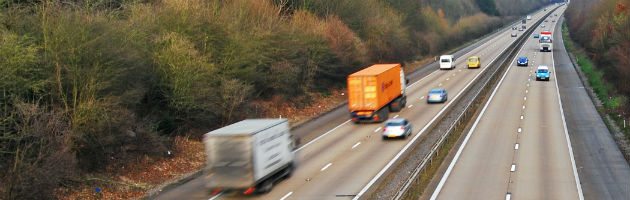
    Road traffic accidents are the most common claims that our Oldham personal injury solicitors are asked to handle. With more and more drivers on the roads in Britain, more car crashes are to be expected.

    You can pursue a claim following a traffic accident, whether you are a driver or a passenger, as long as we are able to verify that the other driver caused the car crash because they were driving their vehicle negligently.

    Negligence can occur on the road in any number of ways, commonly, for example, if the other driver was driving too fast, if they changed lane recklessly or without indication or if they failed to stop at a give way junction.

    Liability is sometimes contested following a traffic accident; however the Highway Code together with previously decided court cases lays out guidelines to assist in determining liability before the law as well as the appropriate level of compensation owed for any damages or injury sustained.

    You can also claim if you were a pedestrian in the incident and have been injured because of the way in which the vehicle was drove. For example if they mounted the kerb and ran over your foot or if they did not stop while you were stepping out onto a zebra crossing.

    It’s not always strangers who cause the traffic accident. If you were a passenger in a vehicle that was driven by your friend, relative or colleague and they acted negligently causing you injury, you can still claim against them should you wish to. Their insurance company will settle your claim if appropriate.

    Even if the driver who caused the accident is not insured or they have disappeared from the scene of the accident, you can still claim.

    If you think you have grounds to claim after an accident, get in touch with us, your Oldham personal injury solicitor, on 0161 785 3534 and we can review the details of your case.

    Let us help you claim your accident compensation now.

    Personal Injury form
    reCAPTCHA
    Sending
  • Slip roads: a common road traffic accident spot

    Slip roads: a common road traffic accident spot

    In a recent case, our client was doing what thousands of us do every day – joining a dual carriage way from a slip road. Unfortunately on this day, an accident occurred that initially may have appeared to have been our client’s fault. However as we outline below, just because you are the one joining the road, it doesn’t mean you are automatically at fault if a road traffic accident occurs.

    An outline of this personal injury case

    As our client drove down the slip road, the lane they were merging into on the dual carriageway appeared to be clear although they could see some vehicle headlights in the distance.

    Our client’s car joined the main carriageway only to be struck violently by another vehicle. This collision caused extensive damage to both their vehicle as well as injuring our client.

    The defendants claimed that our client had joined the dual carriage way when it was unsafe to do so. However using various investigative procedures, we managed to persuade the defendants and the court that the other vehicle was travelling at excessive speed and was therefore responsible for the collision. In turn this meant that the claimant (our client) had joined the dual carriage way safely and wasn’t at fault.

    Because of this we were able to recover compensation both for the damage to our client’s vehicle and for our client’s personal injuries.

    What you should do

    If someone is trying to force the blame on you after a road traffic accident – don’t let them. Consult Wrigley Claydon and we will be able to help decide if you have grounds to claim after an accident. Call us on 0161 785 3534 and we can review the details of your case.

    Let us help you claim your personal injury compensation now.

  • Making a personal injury claim against a restaurant

    Making a personal injury claim against a restaurant

    In this case, our client was walking into a restaurant with a highly polished floor. Due to the rain outside, and customers bringing water in, the floor was wet, causing our client to slip and sustain several serious injuries.

    We successfully recovered £14,500 for our client.

    Wet or slippery surfaces can  be incredibly dangerous. In this case, our client sustained injuries to the head (which caused painful headaches for a long time after the incident), the neck, the wrist and hand, the buttocks and the ankle. Injuries such as these, while not causing any serious long-term damage, can take many weeks or months to heal. They can cause prolonged pain and affect mobility, making it difficult to complete simple tasks, or to work.

    Businesses are responsible for making sure these types of injuries do not happen. Establishments such as hotels and restaurants often have marble, tiled or wooden floors that are prone to becoming slippery, especially when customers are bringing water in on the soles of their shoes or food and drink is spilled. It is up to the business to ensure their premises are cleaned regularly in these circumstances, and that any hazardous surfaces are cleanly signposted to avoid accidents.

    If you slip or fall on a restaurant or hotel’s premises due to a slippery and un-signposted surface, then you are entitled to make an occupiers liability claim. However, this type of claim is not limited to accidents which occur in restaurants – whether your slip and fall occurred on the property of a business, a public place such as in a bus or train station, or on an individual property, you could be entitled to compensation.

    The first step in making a personal injury claim is to contact a personal injury solicitor. Whether your injury is extensive – as in this case – or smaller and less severe, if you have been hurt and it wasn’t your fault, you don’t need to stand for it. If you think that you may have grounds to make an occupier’s liability claim following an accident that could have been avoided, get in touch with Wrigley Claydon today.

    Call us on 0161 785 3534 or use our contact form and we will review your case.
  • Criminal Injuries Compensation Authority

    Criminal Injuries Compensation Authority

    The Criminal Injuries Compensation Authority (CICA) is a government organisation that can pay money (an award) to people who have been physically or mentally injured because they were the blameless victim of a violent crime.

    They consider applications and make awards that range from £1,000 to £500,000.

    The current Scheme was introduced on 27 November 2012 and applies to any application made on or after that date. If your application was made before then different rules may apply.

    How is Wrigley Claydon linked to the Criminal Injuries Compensation Authority?

    We can act for clients in CICA claims to present the claim in the best possible way to ensure maximum compensation for the injuries sustained. We also liaise with the CICA and take away from you the administrative burden. We can also gather further evidence and information that the CICA may require to substantiate your claim. We ensure that such information is obtained and submitted to the CICA within strict time limits. This allows (broadly) clients who suffer personal injury as a result of the criminal act of another to be compensated whether or not the criminal has any money (or insurance) to pay himself. Our payment amounts to a fee of up to 25% of any compensation you are awarded.  ou pay nothing if your claim does not succeed.  In this way we are sharing the risk with you and also have a vested interest in ensuring you recover maximum compensation.

    A report issued this week (4th September 2014) indicated that a number of police forces around the country are not investigating all crimes, principally due to a lack of resources. In a situation where crimes are not fully investigated, it may be harder for the individual to make a CICA claim without the assistance of a solicitor like Wrigley Claydon.

    Areas that constitute ‘criminal injury’ include physical assault, sexual abuse, racial abuse and post traumatic stress, amongst many more.

    If you feel you have a case for criminal injury compensation please contact one of our Litigation team, Vijay Srivastava or Shalish Mehta, by calling 0161 785 3529 or completing our claim form below.
    Personal Injury form
    reCAPTCHA
    Sending
  • Legal Authority Negligence. A successful trip and slip case

    Legal Authority Negligence. A successful trip and slip case

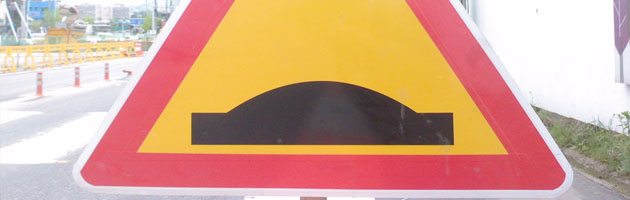
    Speed bumps are intended to keep us safer on the roads. However, in this recent local authority negligence case, a badly installed speed bump was the cause of a painful injury.

    Usually a speed bump is built from the edge of the pavement on one side of the road across to the edge of pavement on the other side of the road, but on this occasion the local authority decided to build a speed bump which only filled ¾ of the road. At the end of the speed bump they built a kerb. Consequently they created a tripping hazard for anyone crossing the road.

    The claimant unfortunately fell prey to his hazard. The accident occurred at night and there was poor street lighting in the area which failed to illuminate the additional kerb created in the road at the end of the speed bump.

    Many claims against councils are due to the failure of the local authority to maintain or repair the road or pavement. However in this case the claim arose because the local authority had actually constructed something in the road which was a tripping hazard – particularly dangerous due to the poor lighting in the area. Because of this hazard, the claimant sustained painful soft tissue injuries to the right hip and the lumbar spine. They received £2,300 in compensation.

    If you have suffered personal injury – either due to local authority negligence; a dangerous instillation or their failure to repair a hazard – contact Wrigley Claydon solicitors today. Call our personal injury team on 0161 785 3534 or use our ‘Make a Claim’ form. You can also contact us with any queries on info@wrigleyclaydon.com.